
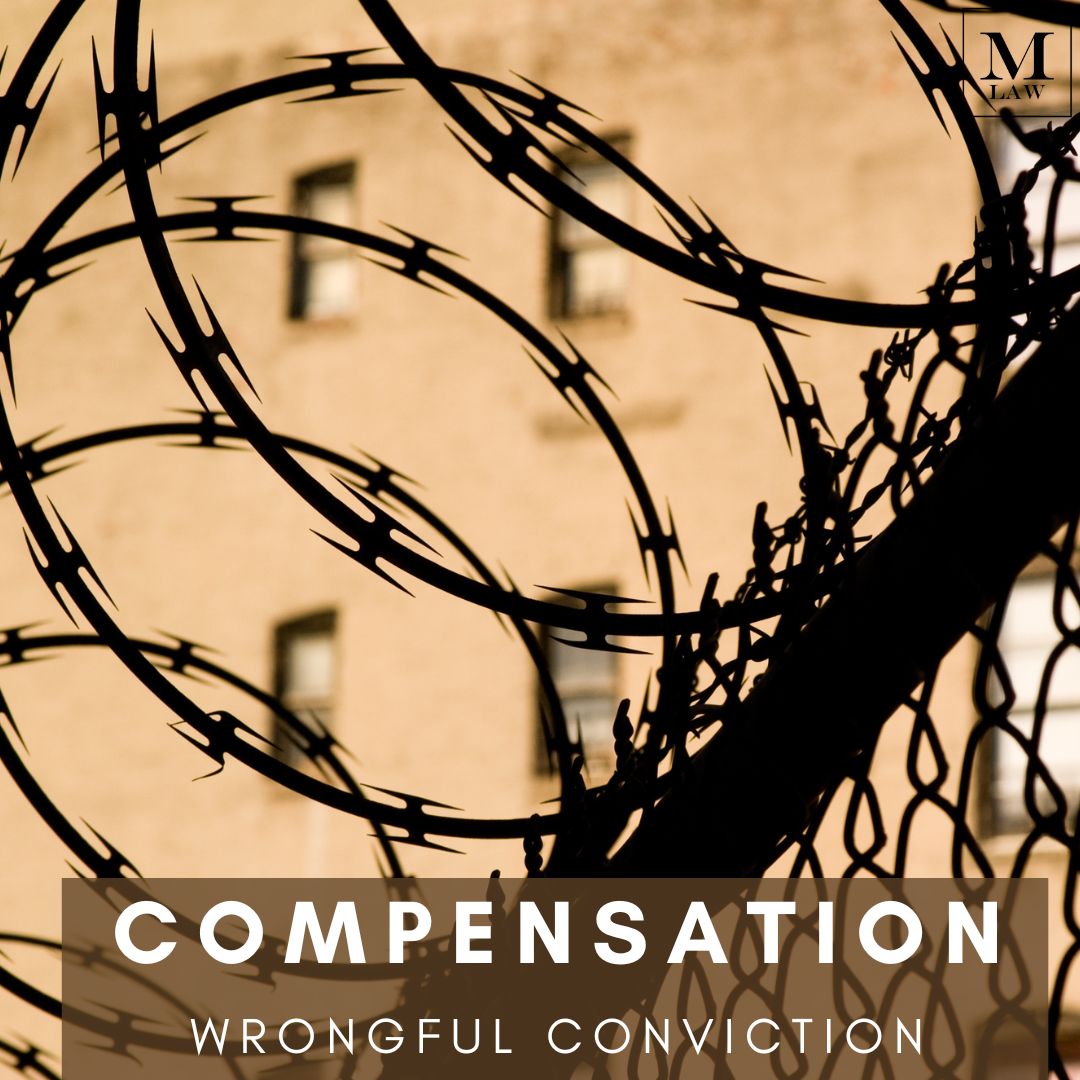

Wrongful Conviction Compensation: Reclaiming Your Life After Injustice
Being wrongfully convicted of a crime is an unimaginable and harrowing experience. Beyond the physical walls of a prison, the emotional impact of such a deeply unjust ordeal is profound and long-lasting. A wrongful conviction can derail a career, shatter family relationships, and steal decades of a person’s life.
While the scars of the wrongfully incarcerated may never truly heal, the law provides a pathway to financial recovery. Wrongful conviction compensation programs exist to address the significant harm and systemic failure suffered by those who were imprisoned for crimes they did not commit.
How Does Wrongful Conviction Compensation Work?
The process for seeking justice varies significantly by jurisdiction. In the United States, each state has its own statutes—such as New York’s Unjust Conviction and Imprisonment Act—and there is a separate federal program for those wrongfully convicted of federal crimes.
When determining the amount of wrongful conviction compensation an individual is eligible to receive, courts and programs look at several critical factors:
1. Proven Innocence
Typically, the claimant must demonstrate “actual innocence.” This is often achieved through modern DNA testing, the emergence of new witnesses, or the discovery of evidence that was suppressed during the original trial (Brady violations).
2. Official Exoneration
To qualify for wrongful conviction compensation, your conviction must be officially overturned, vacated, or declared wrongful by a court of competent jurisdiction. A mere “pardon” may not always be enough depending on the state’s specific criteria.
3. Duration of Time Served
Compensation is usually calculated based on the length of time an individual spent behind bars. Some states offer a set dollar amount per year of incarceration, while others allow for a more comprehensive assessment of lost wages and suffering.
4. No Additional Disqualifying Convictions
In some jurisdictions, if a person was serving time for a different, valid conviction concurrently with the wrongful one, their eligibility for wrongful conviction compensation might be impacted or limited.
Civil Lawsuits vs. Statutory Compensation
It is important to understand that statutory compensation programs are not the only option. Survivors of the justice system may also have the right to file civil lawsuits against the entities responsible for the injustice. This includes:
-
Section 1983 Claims: Suing for violations of constitutional rights.
-
Malicious Prosecution: Holding police or prosecutors accountable for misconduct.
-
Police Misconduct: Addressing coerced confessions or fabricated evidence.
Navigating the Statute of Limitations
Time is of the essence. Many jurisdictions impose strict statutes of limitations on when a claim for wrongful conviction compensation can be filed—often within just two years of the date the conviction was vacated. Missing these deadlines can result in the permanent loss of your right to recovery.
Advocate for Your Rights with Merson Law
Navigating the complex intersection of criminal exoneration and civil litigation requires a team with a proven track record. At Merson Law, we specialize in high-stakes litigation and are dedicated to helping the exonerated secure the maximum wrongful conviction compensation possible.
If you were wrongfully convicted, contact Merson Law today for a 100% confidential consultation.