
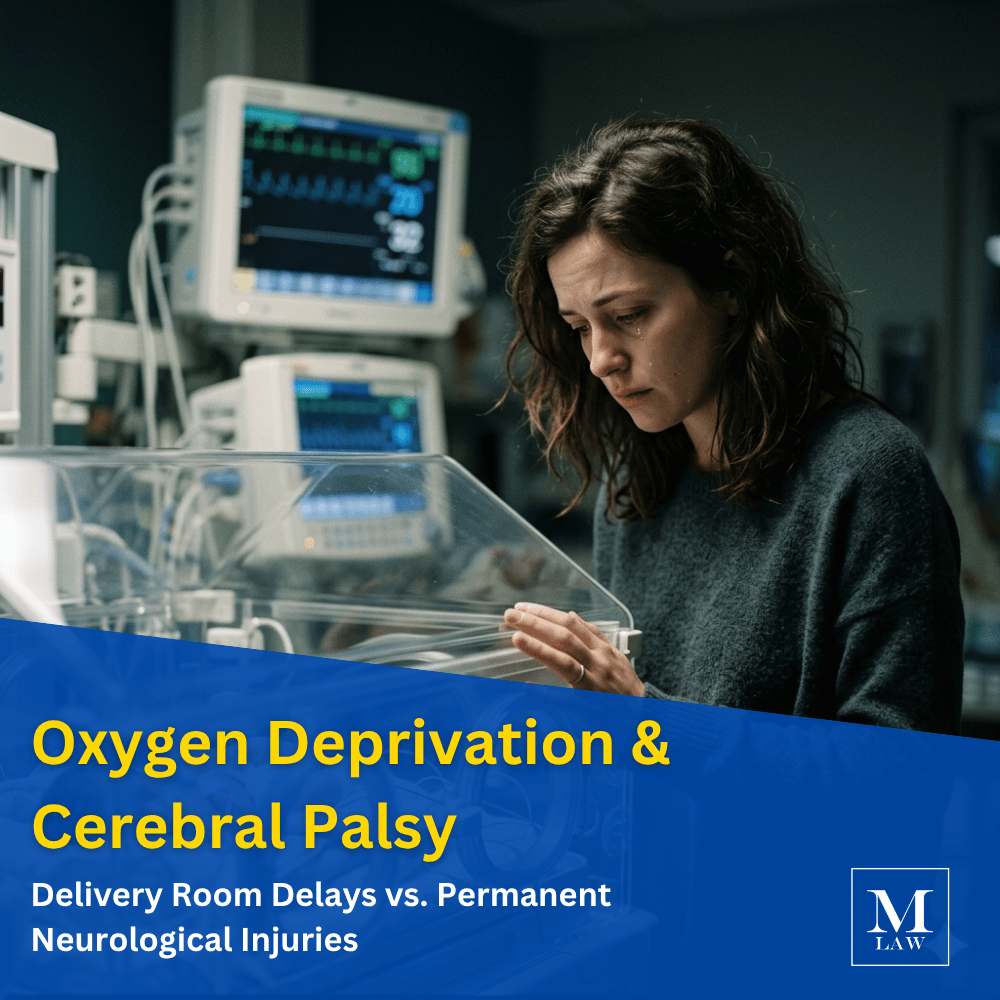

Can Oxygen Deprivation During Birth Cause Cerebral Palsy?
The minutes leading up to a child’s birth are some of the most critical moments in their entire physiological development. Throughout labor, an infant relies entirely on a steady, uninterrupted supply of oxygen delivered through the placenta and umbilical cord. If this vital supply line is restricted or completely severed even briefly, the infant’s biological systems begin to fail under severe distress.
When a delivery team mismanages an emergency, the direct correlation between oxygen deprivation during birth cerebral palsy becomes a devastating reality for the family. A prolonged lack of oxygen kills vulnerable brain cells in the motor cortex, altering a child’s neurological future forever. Understanding how a failure to monitor or intervene leads to oxygen deprivation during birth cerebral palsy diagnoses can help parents recognize when a lifelong developmental disability was actually a preventable medical error.
The Biological Link: Oxygen Deprivation During Birth Cerebral Palsy Complications
To fully understand how oxygen deprivation during birth cerebral palsy occurs, it is essential to examine the physiological impact of birth asphyxia on a newborn’s brain. Cerebral palsy is a group of permanent neurological disorders that permanently impair a child’s body movement, muscle coordination, balance, and posture. It is caused by structural damage to the motor control centers of the developing brain.
During delivery, a sudden or prolonged drop in oxygen supply causes rapid cellular damage. Because the brain cells responsible for motor function have incredibly high metabolic demands, they are among the very first to break down during an asphyxial event. When a medical team fails to quickly address this lack of oxygen, the tissue damage spreads across the cerebral cortex, cementing a permanent pathway toward a lifetime of managing cerebral palsy.
What Causes Birth Asphyxia in the Delivery Room?
Birth asphyxia rarely happens without clear, observable warning signs. During labor, medical professionals are explicitly trained to use electronic fetal monitoring equipment to trace the baby’s heart rate and track how well they are handling the stress of uterine contractions. When a breakdown in care occurs, a baby can experience prolonged oxygen deprivation during birth cerebral palsy risks.
Umbilical Cord and Placental Complications
Several acute physical complications can quickly cut off a baby’s oxygen supply:
- Umbilical Cord Prolapse: The cord slips into the birth canal ahead of the baby, becoming compressed between the baby’s body and the birth canal walls during contractions.
- Nuchal Cord: The umbilical cord becomes wrapped tightly around the infant’s neck, cutting off blood flow to the brain as the baby moves down the birth canal.
- Placental Abruption: The placenta prematurely detaches from the uterine wall before delivery, instantly cutting off the baby’s source of oxygenated blood.
Delayed Emergency C-Sections and Fetal Distress
While these physical complications are dangerous, they do not have to result in a lifetime of disability if managed properly. If a baby’s heart rate monitor displays deep, late decelerations or a dangerous loss of variability, the medical team must perform intrauterine resuscitation or order an immediate emergency C-section. Malpractice happens when doctors or nurses delay the delivery, leaving the child trapped in a hypoxic environment for hours.
Understanding Hypoxic-Ischemic Encephalopathy (HIE) and Brain Damage
When a child survives a prolonged bout of birth asphyxia, they are typically diagnosed with Hypoxic-Ischemic Encephalopathy (HIE). HIE is the clinical term for brain injury caused by a combination of insufficient oxygen ($hypoxia$) and reduced blood flow ($ischemia$) to vital brain tissues.
Critical Medical Timeline: The human brain can only tolerate a severe drop in oxygen for a very brief period. If a medical team allows severe fetal distress to continue for more than a few minutes without intervening, the underlying HIE will trigger irreversible neurological destruction.
HIE serves as the primary gateway condition to a lifetime of managing cerebral palsy. Depending on which specific parts of the brain suffered the worst oxygen starvation, the child may develop spastic, dyskinetic, or ataxic cerebral palsy.
Symptoms of Cerebral Palsy in Infants and Toddlers
Because cerebral palsy is a developmental disorder, the full physical extent of a oxygen deprivation during birth cerebral palsy injury may not be completely apparent during the first few days of life. Instead, parents and pediatricians generally identify symptoms incrementally as the child misses critical physical milestones:
- Abnormal Muscle Tone: The infant may feel incredibly stiff (hypertonia) or noticeably floppy and limp (hypotonia) when being held.
- Developmental Delays: The child fails to meet milestones such as holding up their head by 3 to 4 months, rolling over, sitting independently, or crawling.
- Asymmetrical Movements: The baby favors one side of their body exclusively, keeping one hand clenched in a tight fist while using the other normally.
- Feeding Difficulties: Severe coordination issues in the throat muscles can cause persistent swallowing difficulties, excessive drooling, or frequent choking during feedings.
When Delivery Room Oxygen Loss Constitutes Medical Malpractice
Not every delivery room complication can be predicted, but a child suffering from severe oxygen deprivation during birth cerebral palsy complications is very often a direct consequence of medical negligence. When a doctor or nursing team ignores abnormal heart rate trends, fails to clear an obstructed airway, or takes too long to assemble an operating team for an emergency delivery, they have directly breached the acceptable medical standard of care.
The lifetime cost of providing care for a child with spastic or dyskinetic cerebral palsy can run into millions of dollars, encompassing continuous physical therapy, customized wheelchairs, orthopedic surgeries, and specialized educational assistance. If your family is facing this reality, you have a legal right to seek answers. Consulting a dedicated Cerebral Palsy Lawyer in NYC or a skilled Medical Malpractice Lawyer in NYC can give your family the resources to thoroughly audit your labor logs. A legal investigation can hold negligent medical providers accountable while securing the financial compensation your child requires for lifelong support and therapeutic care.
Frequently Asked Questions About Birth Asphyxia and Cerebral Palsy
How exactly does oxygen deprivation during birth cerebral palsy injuries happen?
When a baby is deprived of oxygen during delivery, its brain cells rapidly deplete their energy reserves and begin to die off. If the oxygen deprivation targets the motor cortex—the region of the brain responsible for muscle control and movement—the resulting permanent injury manifests as cerebral palsy.
Can a baby fully recover from oxygen deprivation during birth?
A baby can recover fully if the period of oxygen loss was incredibly brief and the medical team corrected the issue immediately. However, if the oxygen deprivation during birth cerebral palsy pathway was triggered by severe, unaddressed birth asphyxia that evolved into HIE, the resulting brain damage is permanent.
What treatments can limit brain damage from oxygen deprivation during birth?
The most effective medical treatment is therapeutic hypothermia (brain cooling). If administered within the first six hours of life, lowering the infant’s body temperature slows down cellular death, significantly reducing the severity of permanent disabilities like cerebral palsy.
Is cerebral palsy caused by oxygen deprivation during birth always medical malpractice?
It constitutes medical malpractice if the oxygen deprivation occurred because the medical team failed to act appropriately. If the fetal monitoring strips clearly showed the baby was suffocating and the staff delayed a C-section or misread the charts, they are legally liable for the resulting injury.
What are the early delivery room signs that a baby suffered oxygen deprivation?
Immediate signs include a pale or blue skin tint at birth, an absence of spontaneous breathing, floppy muscle tone, an incredibly low APGAR score, and neonatal seizures occurring within the first 24 to 48 hours of life.