

What Is Hypoxic Ischemic Encephalopathy (HIE)? A Guide for Parents
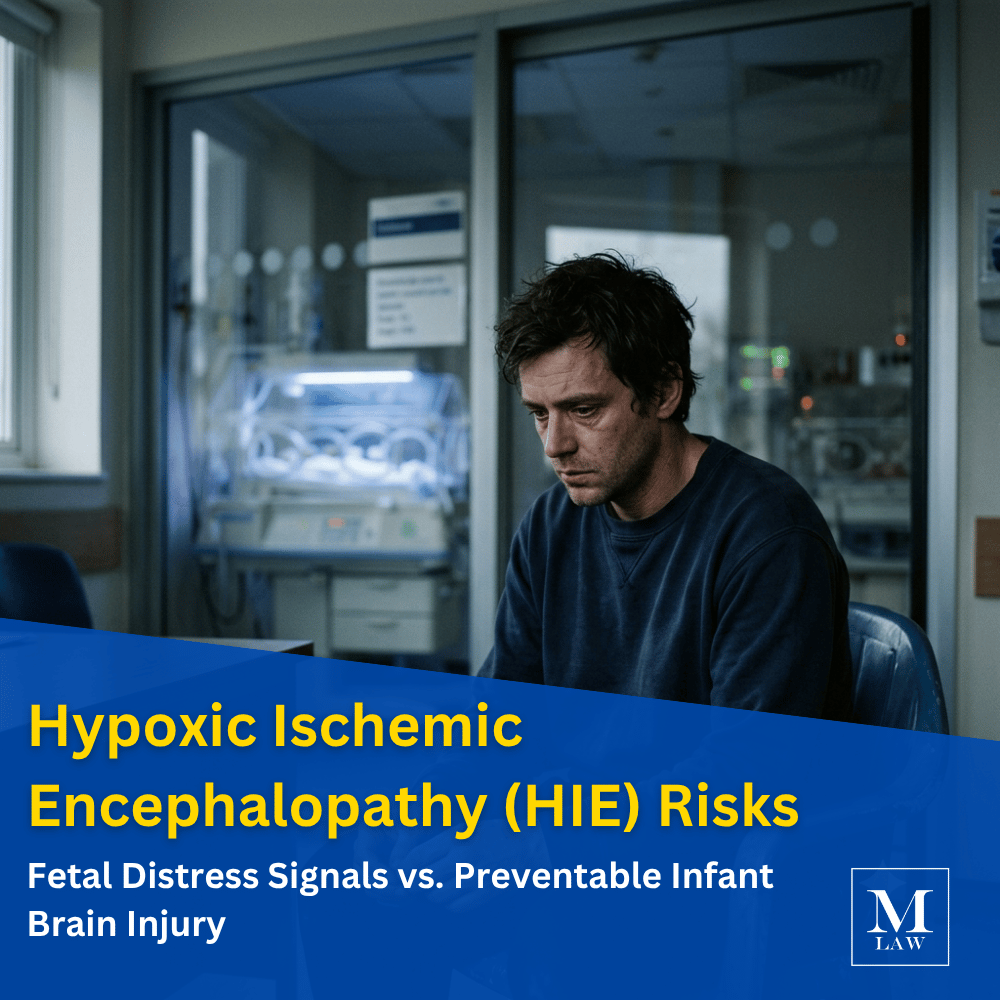
Childbirth is widely expected to be a joyful, triumphant occasion. However, for some families, this event takes a terrifying turn when a newborn fails to take their first breath and requires immediate resuscitation. In these high-stakes moments, the term hypoxic ischemic encephalopathy (HIE) is often introduced to parents within the sterile confines of the Neonatal Intensive Care Unit (NICU).
A diagnosis of hypoxic ischemic encephalopathy can feel overwhelming, plunging a family into a storm of medical uncertainty and grief. It is a critical neurological emergency that occurs when an infant’s brain is starved of oxygen and blood flow around the time of birth. Understanding the causes of hypoxic ischemic encephalopathy, how it is treated, and when a delay in medical intervention constitutes clinical negligence is essential for any family facing this life-altering diagnosis.
Defining Hypoxic Ischemic Encephalopathy (HIE)
Hypoxic Ischemic Encephalopathy (HIE) is a clinical diagnosis describing a form of newborn brain injury caused by oxygen deprivation and limited blood flow (ischemia) to the brain. Often interchangeably referred to as birth asphyxia, HIE triggers a severe metabolic crisis within the newborn’s central nervous system. When the brain is denied oxygen, cells are unable to generate energy and rapidly begin to die.
HIE affects the entire brain, often impacting deep gray matter structures, the basal ganglia, and cerebral cortex, depending on the severity and duration of the deprivation. It is not a fixed disorder but rather an acute injury phase that must be managed instantly to prevent the injury from progressing.
Critical Causes of HIE During Pregnancy, Labor, and Delivery
Oxygen deprivation rarely happens without warning; it is usually the result of acute complications or poor management of labor risk factors.
Placental and Umbilical Cord Complications
The vast majority of HIE cases occur during the “intrapartum” period (active labor and delivery). Mechanical failures of the baby’s circulatory support system are common causes:
- Placental Abruption: The placenta tears away from the uterine wall before birth, cutting off the baby’s entire blood and oxygen supply.
- Umbilical Cord Prolapse or Compression: The cord slips past the baby into the birth canal where it is physically crushed, flatlining blood flow.
- Uterine Rupture: The wall of the uterus tears open, an acute catastrophe that forces an immediate, delayed emergency c section protocol to save both mother and baby.
Medical Mismanagement of Labor
Some of the most devastating cases of HIE are caused by medical errors and a gross failure to monitor baby during labor. This can occur when medical staff aggressively administer labor-inducing drugs like Pitocin (causing uterine hyperstimulation), misinterpret electronic fetal monitoring strips, or display a catastrophic failure to order c section surgery when clear distress signals arise.
Recognizing and Diagnosing HIE in the NICU
Diagnosing hypoxic ischemic encephalopathy involves a multi-faceted clinical approach immediately following delivery.
Assessing Apgar Scores and Signs of Distress
The first indication of HIE is often a critical low Apgar score (specifically at the 5 or 10-minute mark), which measures a newborn’s heart rate, respiratory effort, muscle tone, reflexes, and color. Neonatologists are on high alert for babies who are:
- excessively lethargic or difficult to wake,
- displaying low muscle tone (floppy),
- having difficulty maintaining normal blood pressure or heart rates,
- exhibiting poor feeding reflexes, or
- experiencing neonatal seizures.
Confirmatory diagnostic tests include arterial blood gas analysis—revealing low pH levels and high base deficit (indicative of severe metabolic acidosis)—followed by advanced brain imaging like cranial ultrasound or MRI to visualize the extent of tissue damage.
Clinical Staging: The Sarnat Classification
Once a baby displays neurological symptoms and evidence of acidosis, they are clinically staged using the Sarnat Classification system, which helps categorize the severity of the injury:
- Stage I (Mild HIE): The baby is hyper-alert, perhaps irritable, with normal tone and no seizures.
- Stage II (Moderate HIE): The baby is lethargic, has hypotonia (low muscle tone), and may begin having seizures.
- Stage III (Severe HIE): The baby is comatose, has absent reflexes, experiences severe seizures, and may show multi-organ failure.
Standard Treatments for Hypoxic Ischemic Encephalopathy
The management of HIE is highly time-sensitive. If intervention does not happen quickly, the metabolic chain reaction continues to kill brain cells even after oxygen is restored.
Therapeutic Hypothermia (Brain Cooling)
The gold standard treatment for moderate to severe hypoxic ischemic encephalopathy is Therapeutic Hypothermia, also known as brain cooling. Under strict ACOG guidelines, this therapy must be initiated within six hours of birth to be effective.
During cooling, the baby’s core temperature is lowered and strictly maintained at approximately 33.5°C (92.3°F) for exactly 72 hours. This process slows the brain’s metabolic rate, dramatically reducing cell death and inflammation. After the 72-hour period, the baby is slowly re-warmed to a normal temperature. Clinical trials have proven that brain cooling reduces death and severe disabilities in infants with HIE.
Long-Term Outcomes and The Impact of HIE on a Child’s Future
The long-term effects of hypoxic ischemic encephalopathy span a wide spectrum and depend entirely on the severity of the initial oxygen loss and how quickly the medical team intervened.
Mild cases often resolve completely without long-term deficits. However, moderate to severe cases frequently lead to permanent, life-altering neurological disabilities, including:
- Cerebral Palsy: The most common neurological outcome, impacting muscle tone, movement, and posture.
- Cognitive Impairments: Learning disabilities and severe intellectual deficits.
- Epilepsy: A lifelong seizure disorder.
- Sensorineural Hearing or Visual Loss: Often linked to specific areas of the brain stem affected by oxygen loss.
- Developmental Delays: Failure to meet motor, speech, or social milestones.
When a Diagnosis of HIE Involves Medical Malpractice and Negligence
It is a devastating reality that a tragedy of this magnitude can often be traced back to delivery room error. While HIE itself is a naturally occurring medical condition, the profound brain damage that results from it is frequently the direct product of medical malpractice. Common scenarios of clinical negligence leading to HIE include:
- Ignoring what is fetal hypoxia? warnings on the electronic fetal heart rate monitors, allowing an infant to suffer for hours.
- Delaying an emergency C-section past the accepted medical window.
- Failing to properly manage high-risk VBAC labor, leading to preventable uterine rupture.
- Failing to recognize or diagnose high-risk prenatal complications like gestational diabetes or placental issues.
- Missing the critical six-hour window to start therapeutic hypothermia treatment.
The financial and emotional cost of raising a child with severe neurological brain damage caused by HIE is overwhelming. A lifetime of specialized therapies, around-the-clock nursing care, custom medical equipment, and special education can easily cost a family millions of dollars.
If you suspect your child’s developmental delays were caused by delivery room delays or errors, you have a right to hold the responsible parties accountable. Consulting a dedicated Medical Malpractice Lawyer in NYC allows pediatric medical specialists to audit your hospital records. Reconstructing your childbirth timeline using archived monitor logs can secure the lifelong financial recovery your child needs to support their security and future wellbeing.
Frequently Asked Questions About Hypoxic Ischemic Encephalopathy
What does Hypoxic Ischemic Encephalopathy (HIE) mean?
HIE is a type of brain injury in newborns caused by a lack of oxygenated blood flow to the brain around the time of birth.
How do doctors know if a baby has HIE?
Doctors diagnose HIE based on low Apgar scores, blood tests showing metabolic acidosis, critical low blood pH levels, clinical symptoms such as low muscle tone and seizures, and brain imaging scans (MRI or ultrasound).
Can therapeutic hypothermia reverse the damage of HIE?
Brain cooling cannot “reverse” damage that has already occurred, but it significantly halts the biological chain reaction of secondary cell death. When started within six hours of birth, therapeutic hypothermia drastically reduces the risk of severe, permanent disability and death.
What are the long-term effects of HIE?
Moderate to severe HIE often results in permanent neurological conditions, including cerebral palsy, cognitive impairments, learning disabilities, epilepsy, motor delays, and vision or hearing loss.
Is Hypoxic Ischemic Encephalopathy automatically considered medical malpractice?
The deprivation itself can be a natural complication, but it is considered medical malpractice if the HIE resulted from the delivery room team ignoring fetal distress on the heart monitor, mismanaging Pitocin, delaying an emergency C-section, or failing to start brain cooling within the six-hour window.