

Meconium Aspiration Syndrome: Understanding the Risks of Medical Negligence
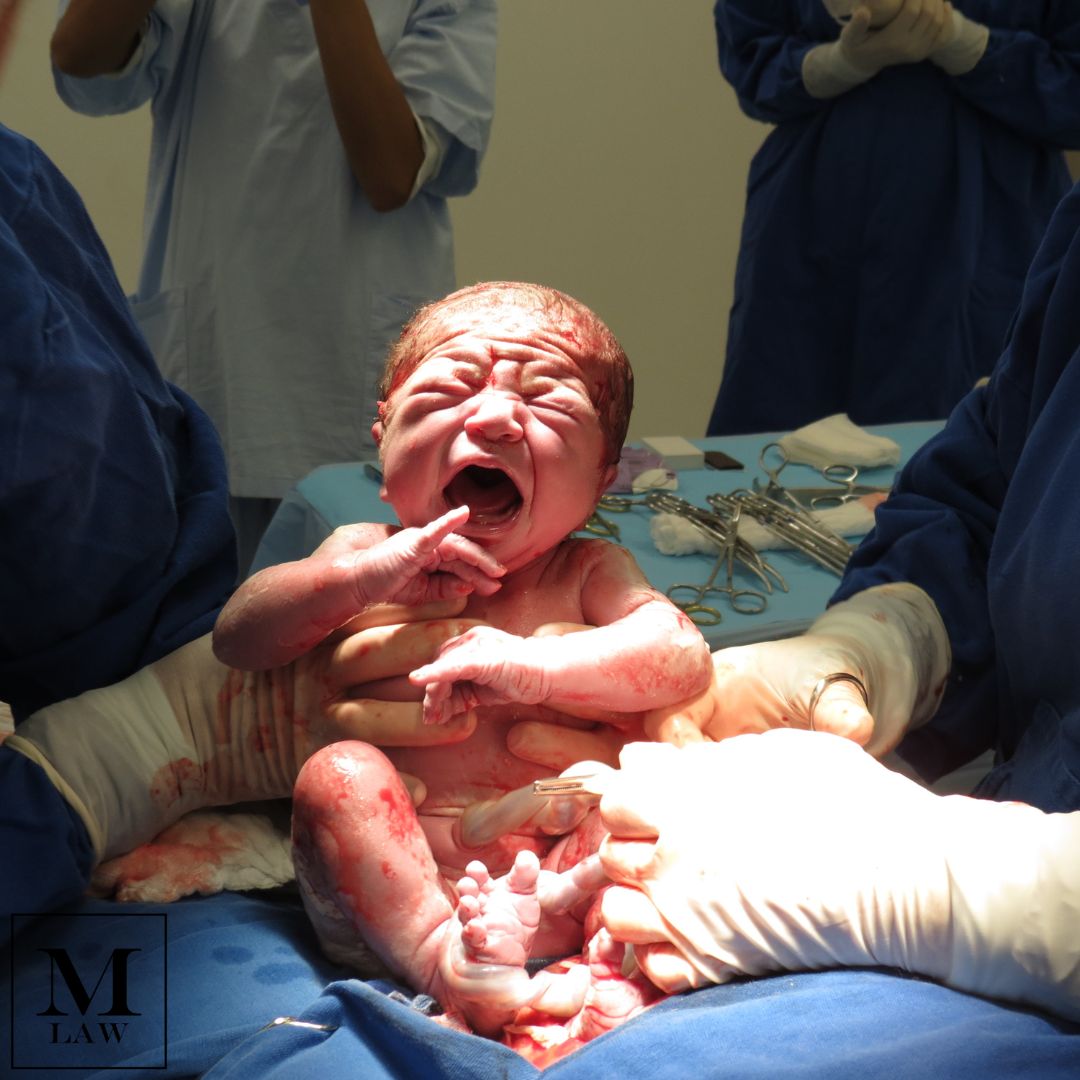
Meconium Aspiration Syndrome (MAS) is a serious and potentially life-threatening medical condition that occurs when a newborn inhales a mixture of meconium—the baby’s first stool—and amniotic fluid into their lungs. This inhalation can happen before, during, or shortly after the birthing process. While meconium is a sterile, thick, greenish-black substance normally expelled after delivery, certain stressors during labor can cause a baby to pass this stool into the amniotic fluid while still in the womb, leading to meconium aspiration syndrome.
At Merson Law, we represent families whose children have suffered life-altering complications because a medical team failed to adhere to the standard of care or neglected the warning signs of fetal distress. Understanding the mechanics of MAS and the role of medical oversight is the first step in seeking justice for a birth injury.
The Mechanism of Meconium Aspiration Syndrome: Why It Happens
In an ideal delivery, a baby passes meconium within the first 24 to 48 hours after birth. However, if a fetus experiences fetal distress—often caused by a drop in oxygen levels or issues with the placenta or umbilical cord—their digestive system may contract, causing the meconium to be released into the amniotic fluid. This creates a high risk of meconium aspiration syndrome.
When the baby takes their first breath, or if they gasp while still in the birth canal due to distress, they can inhale this thick, tar-like substance deep into their lungs. This creates a cascade of physical problems:
- Airway Obstruction: The thick meconium can physically block the small airways, preventing air from reaching the alveoli.
- Chemical Pneumonitis: Meconium is an irritant that causes inflammation and swelling of the lung tissue.
- Surfactant Inactivation: Meconium can break down surfactant, the natural substance that helps the lungs stay open and expanded.
- Persistent Pulmonary Hypertension of the Newborn (PPHN): The lack of oxygen can cause the baby’s blood vessels to remain constricted, preventing proper blood flow to the lungs even after birth.
Common Symptoms of Meconium Aspiration Syndrome
When a newborn inhales meconium-stained amniotic fluid, the respiratory system is immediately compromised. The following symptoms are red flags that require urgent intervention:
- Rapid or Labored Breathing: Known as tachypnea, the baby may struggle to move air through the obstructed passages.
- Cyanosis: A bluish tint to the skin, lips, or fingernails, indicating that the blood is not carrying enough oxygen to the body’s tissues.
- Grunting and Nasal Flaring: These are physical signs that the baby is working excessively hard to keep their airways open.
- Retractions: The skin pulling in around the ribs or collarbone during breathing, showing a high level of respiratory distress.
- Lethargy or Low APGAR Scores: A baby who is limp or non-responsive at birth may have suffered from significant oxygen deprivation.
The Role of Medical Negligence in Meconium Aspiration Syndrome Cases
Not every case of Meconium Aspiration Syndrome is the result of negligence. However, many severe outcomes are entirely preventable. Medical teams are trained to monitor for meconium-stained amniotic fluid (MSAF) and fetal distress. Negligence often occurs in the following scenarios:
- Failure to Monitor Fetal Heart Rate: If the electronic fetal monitor shows signs of distress (such as late decelerations) and the team fails to act, the baby is more likely to pass meconium and gasp in utero.
- Delayed C-Section: If meconium is present and the baby is in distress, a delay in performing an emergency Cesarean section can increase the duration of exposure and the severity of the aspiration.
- Improper Resuscitation: Once a baby is born with meconium staining, specific protocols must be followed. Failure to properly suction the airways or provide adequate ventilatory support can turn a treatable situation into a permanent injury.
- Failure to Treat PPHN: If the medical team fails to recognize and treat the secondary complications of MAS, such as pulmonary hypertension, the baby may suffer permanent brain damage due to lack of oxygen (Hypoxic-Ischemic Encephalopathy).
Long-Term Consequences and Brain Damage
When MAS is severe or mismanaged, the resulting lack of oxygen to the brain can lead to permanent disabilities. These may include:
- Cerebral Palsy: Resulting from brain injury during the neonatal period.
- Developmental Delays: Cognitive or motor impairments.
- Chronic Lung Disease: Long-term respiratory sensitivity or asthma.
The financial burden of these conditions—including specialized schooling, 24/7 nursing care, and physical therapy—can reach millions of dollars over a child’s lifetime.
Conclusion: Seek Justice with Merson Law
If your child suffered from Meconium Aspiration Syndrome due to medical oversight or a failure to respond to fetal distress, you do not have to face the future alone. A birth injury claim can provide the resources necessary to ensure your child receives the best possible care for the rest of their life.
The birth injury attorneys at Merson Law PLLC have the expertise to hold hospitals accountable and investigate the medical records to find where the system failed your family. We are committed to securing the financial recovery and accountability your child deserves.
Get help with your birth injury claim today. Contact the experienced birth injury attorneys at Merson Law PLLC for a comprehensive evaluation of your case.