

10 Common Hospital Mistakes: When Care Leads to Compensation
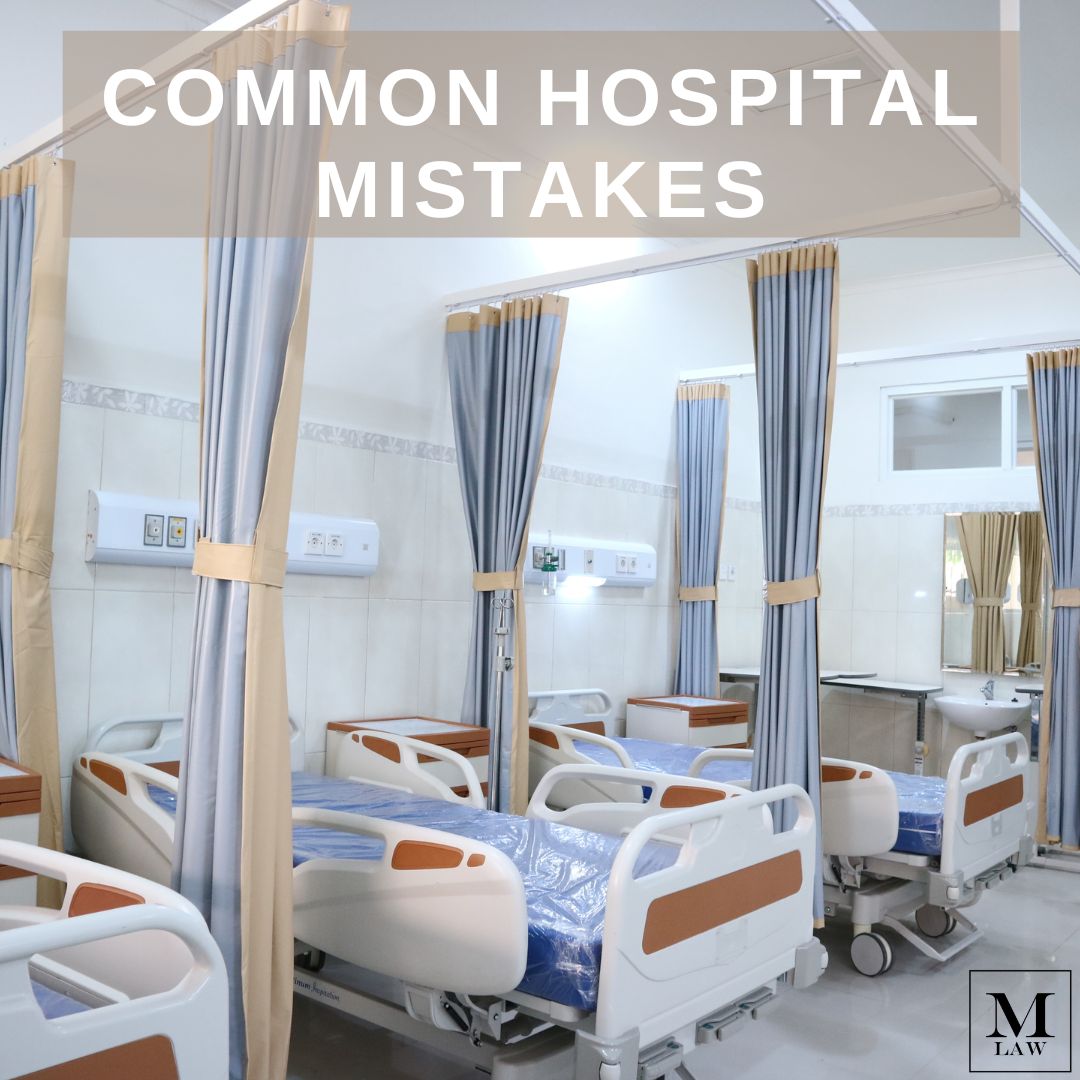
Hospitals are often high-pressure environments where life-saving decisions are made in seconds. We walk through their doors with an inherent sense of trust, believing that the doctors, nurses, and technicians behind the scrub-clad exterior are operating at the peak of their professional abilities. However, the reality of modern healthcare is far more complicated than the idealistic portrayals we see on television. Overcrowding, chronic understaffing, and systemic communication breakdowns mean these facilities don’t always operate like the well-oiled machines we expect. While every patient enters a medical facility with the expectation of high-quality, attentive care, common hospital mistakes occur far more frequently than the healthcare industry likes to admit.
According to prominent studies, including those by Johns Hopkins, medical errors are now considered a leading cause of death in the United States, trailing only heart disease and cancer. This staggering statistic highlights a profound crisis in patient safety. Whether it is a minor lapse in protocol during a routine procedure or a catastrophic, systemic failure in the Emergency Room, common hospital mistakes can change a patient’s life forever, turning a path toward recovery into a lifelong struggle with disability, chronic pain, or financial ruin.
In many cases, the root cause of these common hospital mistakes is a failure of the institution itself. When hospitals prioritize profit margins over patient-to-staff ratios, the quality of care inevitably suffers. Nurses who are forced to manage too many patients at once are more likely to miss subtle changes in vital signs; doctors who are exhausted from back-to-back shifts are more prone to making errors in judgment. Understanding the “red flags” and the various categories of common hospital mistakes is the first step in protecting yourself and your loved ones. Often, patients feel that a “bad outcome” is simply the result of their illness or the inherent risks of surgery, but in many cases, that outcome was entirely preventable had the standard of care been followed.
When common hospital mistakes cross the line into actionable malpractice, the law provides a pathway for victims to seek justice and the financial resources necessary to manage the fallout. To navigate this complex landscape, one must be able to identify exactly where the system failed. By shedding light on these errors, we not only help individual victims but also push the medical industry toward greater accountability and safer practices for everyone.
10 Common Hospital Mistakes
Medication errors: These are among the most frequent and preventable common hospital mistakes. These can involve prescribing the wrong medication, administering incorrect dosages, mislabeling medications, or failing to account for drug allergies or interactions. These errors can occur at any stage of the medication process, including prescribing, dispensing, administering, and monitoring. Medication errors can result from various factors, such as miscommunication between healthcare providers, illegible handwriting on prescriptions, incorrect dosing, administering the wrong medication, drug interactions, and patient-related factors like allergies or non-adherence to medication regimens.
Surgical errors: Common hospital mistakes made during surgical procedures can include wrong-site surgeries, leaving surgical instruments or foreign objects inside a patient’s body, anesthesia errors, or damage to surrounding tissues or organs. These errors often result from human error, miscommunication, technical malfunctions, or inadequate preparation. Surgery errors can happen in any surgical setting, including hospitals, clinics, and surgical centers.
Misdiagnosis or delayed diagnosis: When healthcare professionals fail to accurately diagnose a medical condition or delay the diagnosis, it can lead to inappropriate or delayed treatment, allowing the condition to worsen. This mistake can occur at any stage of the diagnostic process, including history-taking, physical examination, laboratory tests, imaging studies, and data interpretation.
Hospital-acquired infections (HAIs): Infections acquired during a hospital stay are unfortunately common. They can result from unsanitary conditions, inadequate hand hygiene, improper use of medical devices, or failure to follow infection control protocols.
Falls and patient injuries: Patients can be at risk of falls or other injuries while in the hospital, particularly if they are weak, disoriented, or not adequately supervised. Lack of assistance, hazards in the environment, or incorrect use of restraints can contribute to such incidents.
Birth injuries: Mistakes made during childbirth can lead to birth injuries, such as cerebral palsy, Erb’s palsy, or other complications that cause harm to the baby or mother.
Communication errors: Poor communication among healthcare providers, including inadequate handoffs, failure to relay critical information, or miscommunication of treatment plans, can result in errors or delays in care.
Inadequate follow-up care: Discharging patients without appropriate instructions, failing to arrange necessary follow-up appointments, or neglecting to monitor and manage ongoing medical conditions can lead to complications or worsened health outcomes.
Equipment or technology malfunctions: Errors or failures related to medical equipment, such as diagnostic machines, ventilators, or monitoring devices, can compromise patient safety and care.
Documentation errors: Inaccurate or incomplete medical records, including incorrect information about allergies, medications, or treatment plans, can lead to medical errors and mismanagement.
In some instances, mistakes like these can lead to serious injury. If you suffered a major injury due to a common hospital mistake, you may be entitled to financial compensation.
Why Merson Law?
Proving common hospital mistakes requires an aggressive legal strategy and a deep dive into hospital protocols. Hospitals are defended by powerful insurance companies and legal teams that will attempt to blame the patient’s underlying condition for the bad outcome.
At Merson Law, our team of medical malpractice lawyers has the resources to subpoena internal hospital logs, hire board-certified medical experts, and reconstruct the events to prove exactly where the care failed. We work on a contingency fee basis, which means there is no out-of-pocket cost to you. We only get paid if we successfully recover compensation for your injuries. If you believe your life has been impacted by common hospital mistakes, don’t let the hospital’s “administrative silence” discourage you from seeking the truth.
Merson Law’s team of medical malpractice lawyers can help you seek this compensation for your injuries due to common hospital mistakes.
Contact us today and we will fight to get you the justice you deserve.