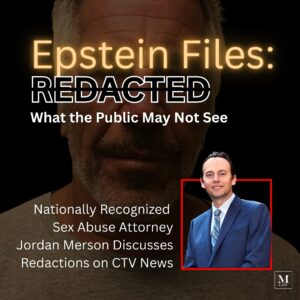



DOJ Misses Deadline Under the Epstein Files Transparency Act
More than a month after the deadline set by the Epstein Files Transparency Act, The U.S. Department of Justice has failed to meet its legally mandated deadline to release investigative files related to Jeffrey Epstein, prompting renewed outrage from survivors’ advocates and raising serious questions about transparency and accountability.
Under the Epstein Files Transparency Act, the DOJ was required to release the records by December 19, 2025. More than a month later, the vast majority of those documents remain unreleased.
According to court filings, the DOJ has published approximately 12,000 documents, while acknowledging that more than two million additional files may be responsive to the law and are still under review. For many survivors, the delay feels like a familiar pattern.
Survivors’ Advocates Speak Out
In reporting by The Guardian, advocates for survivors say the delay undermines the purpose of the Epstein Files Transparency Act, which was intended to shed light on how Epstein was able to operate for years and whether institutions failed to intervene..
Jennifer Plotkin, an attorney with Merson Law, which represents nearly three dozen Epstein survivors, criticized the government’s continued inaction.
“The government continues to avoid accountability and disregards the victims,” Plotkin said. “It’s shocking that the government defends their inactions and relations with Epstein yet somehow claim to be transparent.”
Other prominent advocates echoed the concern, noting that survivors have waited decades for answers and that continued delays only deepen mistrust in institutions tasked with enforcing the law. For survivors, the documents could help clarify what authorities knew about Epstein’s activities and whether opportunities to stop the abuse were missed. Advocates say the disclosures mandated by the Epstein Files Transparency Act are an important step toward transparency and accountability.
Millions of Files Still Unreleased
The Epstein Files Transparency Act left little ambiguity about the government’s obligation. Congress required the DOJ to release all investigative files within 30 days of the law’s passage, with limited exceptions.
Despite that clarity, DOJ attorneys acknowledged in January court filings that more than two million documents remain under review. Bipartisan lawmakers have since suggested appointing a special master to oversee the disclosure process, a proposal the DOJ has opposed.
For survivors, the issue is not simply about documents. It is about whether the government will finally provide a full accounting of how Epstein was able to abuse so many people for so long. For survivors, the documents could help clarify what authorities knew about Epstein’s activities and whether opportunities to stop the abuse were missed. Advocates say the disclosures mandated by the Epstein Files Transparency Act are an important step toward transparency and accountability.
Why Transparency Still Matters to Survivors
For many Epstein survivors, justice was delayed long before this moment. Statutes of limitations, sealed records, and institutional silence prevented accountability for years.
The promised release of Epstein’s files was seen as a rare opportunity to:
- Understand who enabled or ignored abuse
- Clarify what government agencies knew and when
- Restore a measure of public trust
- Allow survivors to pursue civil accountability with full information
When deadlines are missed and disclosures remain partial, survivors are left questioning whether meaningful transparency will ever arrive. As advocates have repeatedly said, justice delayed is justice denied.
Merson Law’s Ongoing Commitment to Survivors
Merson Law continues to represent survivors of Jeffrey Epstein and others harmed by sexual abuse. Our work is grounded in confidentiality, trauma-informed advocacy, and a commitment to holding individuals and institutions accountable through civil litigation.
While the release of Epstein’s files remains incomplete, survivors still have legal options. Recent legislative developments in New York and other jurisdictions have reopened civil claims windows, offering renewed paths toward justice even decades after abuse occurred.
If You Are an Epstein Survivor, Support Is Available
If you were harmed by Jeffrey Epstein or someone connected to him, you may still have legal rights, regardless of when the abuse occurred.
Merson Law provides confidential, survivor-centered legal guidance. Speaking with our team does not require you to take action or make any decisions. It is simply an opportunity to understand your options.
Confidential Contact
212-603-9100
intake@mersonlaw.com
You are not alone. Your experience matters.
Accountability is still worth pursuing.