

Long Island Wildfire Lawsuit: Investigating Negligence and Seeking Justice
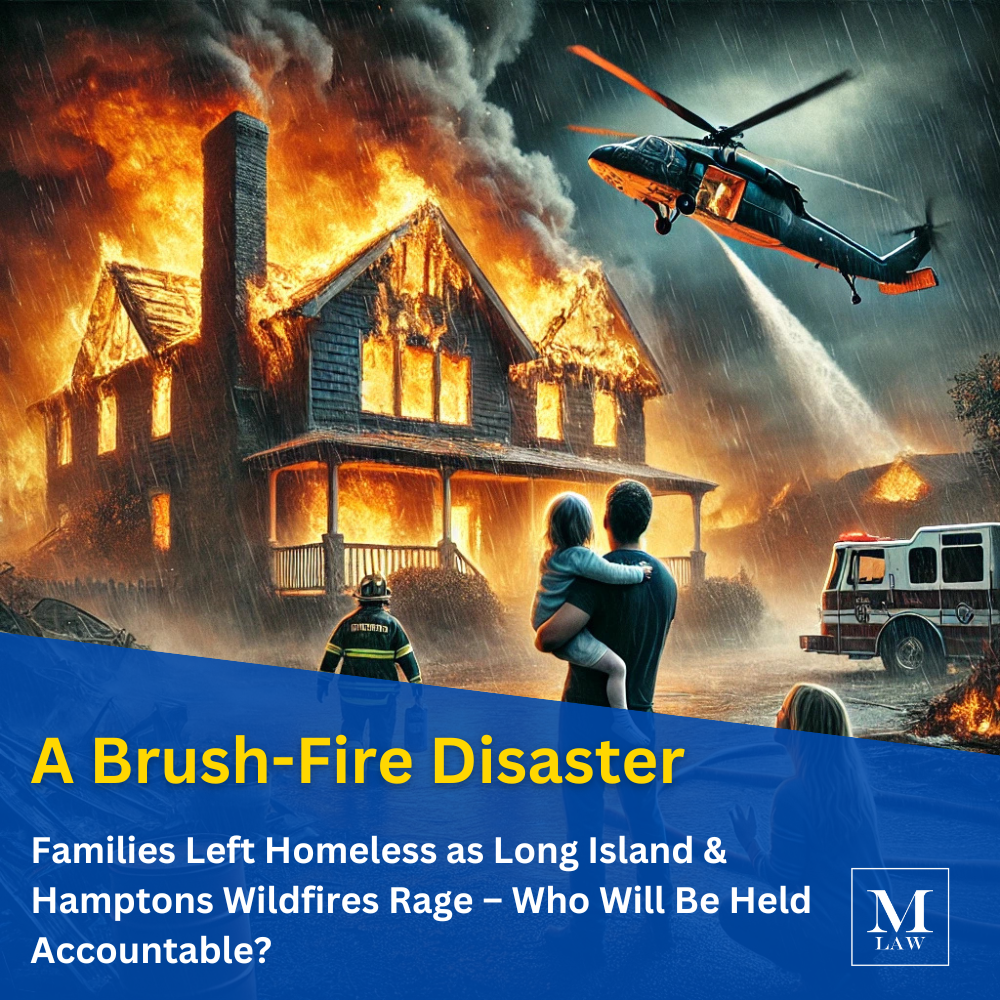
Long Island residents watched in horror as thick black smoke choked the sky and flames devoured entire stretches of the Pine Barrens. Families fled their homes, gripping their most valuable possessions while firefighters battled against the wind-driven inferno. But now, as the embers cool, a critical question remains:
🚨 Could this disaster have been prevented? 🚨
If someone’s negligence led to this destruction, you may be eligible to join a Long Island wildfire lawsuit to hold those parties accountable. Fire investigators and legal experts are currently looking at utility companies, government agencies, and private landowners for possible failures that contributed to this catastrophe.
Did Negligence Spark the Long Island Wildfire?
While investigators are still determining the specific ignition point, legal experts are focusing on three primary areas of liability. Establishing these points is critical for any successful Long Island wildfire lawsuit:
1️⃣ Utility Company Negligence – Were power lines or electrical failures involved?
2️⃣ Government Failure to Implement Fire Mitigation – Were past fire warnings ignored?
3️⃣ Property Owners & Businesses Ignoring Fire Risks – Did anyone fail to clear brush or comply with fire codes?
If negligence played a role, Long Island residents may have a legal path to compensation for property damage, financial losses, and emotional distress.
Could Utility Companies Be Responsible? The PG&E Wildfire Precedent
🔥 Case Study: The California Camp Fire (2018)
In one of the deadliest wildfires in U.S. history, the Camp Fire in California killed 85 people and destroyed over 18,000 structures. Investigators found that faulty PG&E power lines sparked the blaze, leading to a $13.5 billion settlement for victims. A Long Island wildfire lawsuit will investigate if local utility companies failed to inspect infrastructure or ignored maintenance requests in fire-prone areas. If evidence suggests the utility provider failed to maintain safe equipment, victims have a strong legal case for damages.
🚨 Could the same thing have happened in Long Island? 🚨
Investigators will look at:
- Were there any downed power lines near the fire’s origin?
- Did the local utility company fail to inspect or maintain fire-prone infrastructure?
- Were there any ignored maintenance requests or safety warnings?
If evidence suggests utility negligence, victims may have a legal case for damages.
Did the Government Fail to Protect Residents?
The Pine Barrens has a history of major blazes, such as the 1995 Sunrise Fire. According to the National Fire Protection Association (NFPA), wildfire-prone regions require annual risk assessments. A Long Island wildfire lawsuit may stem from specific failures, such as a lack of controlled burns, ignoring “Red Flag” warnings, or insufficient pre-staging of firefighting resources.
🔥 Key Failures That Could Lead to Legal Liability:
❌ Lack of Fire Mitigation Efforts – Was enough brush clearing, controlled burns, or firebreak maintenance done?
❌ Ignored Environmental Warnings – Were there red flag warnings about dry conditions that were ignored?
❌ Insufficient Firefighting Resources – Did agencies fail to pre-stage enough firefighters and equipment ahead of fire season?
🚨 According to the National Fire Protection Association (NFPA), wildfire-prone areas like Long Island should undergo annual fire risk assessments. If local agencies failed to meet these standards, they could be legally liable.
If government negligence contributed to the spread of the fire, residents and business owners could seek legal action under public liability claims.
Did Private Landowners Contribute to the Disaster?
Beyond utilities and government agencies, private landowners may also be at fault if they failed to comply with fire safety regulations.
Investigators will examine:
- Did landowners fail to clear dry brush near homes & businesses?
- Were there abandoned or neglected properties that worsened the fire’s spread?
- Did industrial activity play a role in the fire’s ignition?
🔥 Legal Precedent: In past wildfires, landowners have been held liable for allowing hazardous fire conditions on their property.
If any property owners violated fire codes, they may be held responsible for damages caused by the wildfire.
The Human Cost: Financial & Health Impacts on Residents
Beyond property destruction, Long Island residents are suffering in other ways:
🏠 Homeowners Facing Financial Ruin – Many victims have lost everything and are now at the mercy of insurance companies who may delay or deny claims.
💨 Health Dangers from Smoke Inhalation – Hospitals are reporting increased ER visits for respiratory issues caused by wildfire smoke. Long-term exposure may lead to chronic illness.
🌲 Environmental Devastation – The Pine Barrens ecosystem is permanently scarred, with endangered species potentially wiped out and water sources polluted by ash.
Insurance Companies Are Already Denying Claims – Know Your Rights!
If you’re a fire victim, don’t let insurance companies lowball you. Insurers are known for using delay tactics and technical loopholes to minimize payouts after disasters.
🚨 Common Insurance Scams After Wildfires:
❌ Denying Coverage – Claiming your policy doesn’t cover wildfires.
❌ Blaming Homeowners – Saying “lack of maintenance” contributed to the damage.
❌ Lowball Settlements – Offering way less than the actual repair costs.
🔥 Your Rights as a Homeowner:
✔️ You have the right to challenge claim denials.
✔️ You can demand a fair appraisal of your damages.
✔️ An attorney can force insurers to pay what you deserve.
Can You File a Lawsuit? Your Legal Options
If you lost your home, suffered injuries, or experienced financial losses due to the Long Island wildfire, you may be entitled to compensation—but proving liability requires experienced legal representation.
🚨 You may be eligible to recover:
✅ Property damage costs – Home repairs, lost valuables.
✅ Business & wage losses – Compensation for lost income.
✅ Medical bills – If you suffered smoke inhalation or injuries.
✅ Emotional distress damages – Trauma and suffering from the disaster.
🔥 Legal Deadline Alert: Wildfire lawsuits must be filed within a limited time—DON’T WAIT.
Filing a Long Island Wildfire Lawsuit for Insurance Denials
Beyond the cause of the fire, many residents are facing a second disaster: insurance bad faith. Insurers often use delay tactics or technical loopholes to minimize payouts. Common tactics include:
-
Claiming “lack of maintenance” contributed to the damage.
-
Arguing that smoke and heat damage are not covered under “fire” provisions.
-
Offering lowball settlements that do not cover the actual cost of rebuilding.
A Long Island wildfire lawsuit can force these companies to honor their policies and pay the full value of your claim.
Why Choose Merson Law for Your Wildfire Claim?
At Merson Law, we specialize in high-stakes litigation, helping fire victims secure maximum compensation for their losses.
✔️ Proven Track Record – We’ve won millions for victims in high-profile cases.
✔️ Aggressive Against Insurance Companies – We don’t let them lowball or delay your payout.
✔️ No Upfront Fees – You Don’t Pay Unless We Win.
✔️ Personalized Legal Strategies tailored to your specific situation.
Act Now – Free Consultation for Fire Victims
Legal deadlines for wildfire claims—especially those involving government entities—are extremely short. Waiting can result in a permanent loss of your right to compensation. By starting a Long Island wildfire lawsuit today, you ensure that the evidence is preserved and your family is prioritized in the recovery process.
📞 Call Now: (212) 603-9100
🖥️ Start Your Claim Now Online: MersonLaw.com
⏳ You’ve lost enough already—don’t lose the compensation you deserve. We’re here to fight for you. Contact us today.